Spooky Ghouline: A Typeface for Wicked and Whimsical Designs
Capturing the Perfect Halloween Aesthetic
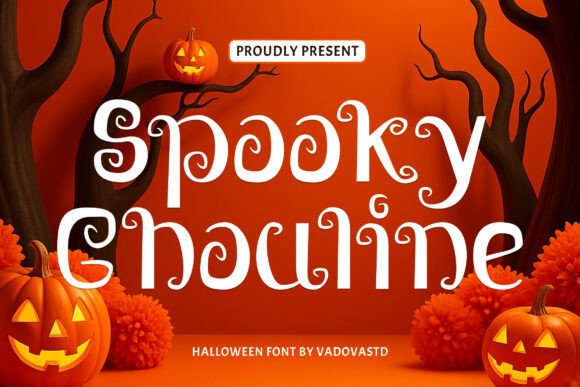
When you're designing for the season of shadows and sweets, you need a visual voice that speaks the language instantly. Spooky Ghouline is a premium font that does exactly that. It’s not just a collection of letters; it’s an atmosphere. This display typeface is built to embody a "wicked-and-whimsical" soul, blending elegant structure with a haunting personality that feels hand-crafted and alive. The defining feature is its rhythm. The letterforms have a high-contrast weight, much like a classic serif font, but the terminals—those ends of the strokes—don’t stop neatly. Instead, they twist and curl outward into exaggerated, organic swirls that look like tentacles or creeping vines. This gives every word set in Spooky Ghouline a sense of movement and energy. It feels like the typography is casting a spell, drawing the eye with its sophisticated yet eerie curves. For any brand identity centered around Halloween, horror, or fantasy, this typeface provides a foundational character that is both recognizable and deeply thematic.
Where This Creative Font Truly Shines
Understanding where to deploy a typeface like this is key to its success. Because of its intricate details and bold personality, Spooky Ghouline is not meant for body text in a novel or a dense corporate report. It thrives as a headline hero, a logo cornerstone, or a featured accent. Its visual weight and decorative nature make it ideal for projects where making an immediate, memorable impact is the goal.
Think about the visual noise of a social media feed during October. A standard sans serif font might get lost. Spooky Ghouline, however, commands attention. It’s perfect for creating high-impact social media graphics—think Instagram story announcements for a haunted attraction or a Pinterest pin for a Halloween recipe blog. Its "ghoulish-and-glamorous" vibe works exceptionally well for independent Halloween event branding, where you need to convey both fun and a touch of sophistication. Imagine it on a poster for a "Monster's Ball" gala or a "Witch's Brew" cocktail evening; the font itself sets the dress code.
Beyond digital, its applications in packaging design and physical branding are substantial. For a horror-themed bakery, using Spooky Ghouline for your logo or on the box for "Eyeball Cake Pops" or "Zombie Finger Cookies" instantly communicates your niche. It transforms a simple product into a themed experience. Similarly, for editorial design—like the cover of a Halloween-themed magazine, a cookbook for spooky treats, or the chapter titles in a young adult fantasy novel—this font adds a layer of narrative before the reader even absorbs the first sentence. It’s a powerful tool in your design assets library for any project that needs to whisper (or scream) a specific, seasonal story.
Integrating Spooky Ghouline into Your Design Workflow
Adopting a new creative font into a project requires more than just liking its look. It needs to function within your broader design system. Here’s how to approach Spooky Ghouline practically.
Evaluate the Project Fit: First, assess the project’s tone. Is it playful, scary, elegant, or retro? Spooky Ghouline leans toward the elegant and whimsical side of horror. It might be perfect for a "Gothic Garden Party" but less so for a gritty, industrial haunted house that requires a more distressed, brutalist font. Its personality is strong, so it needs a project that can embrace its character.
Master the Font Pairing: A display font like this needs a counterpart for readability. The golden rule is contrast. Pair Spooky Ghouline with a clean, neutral sans serif font or a simple, legible serif font for any supporting text. For example, use Spooky Ghouline for the main headline of a party invitation, and then set the event details (date, time, address) in a font like Lato, Open Sans, or a classic like Garamond. This creates a clear visual hierarchy, guiding the reader’s eye from the evocative headline to the practical information without visual competition.
Test for Readability: Always conduct a readability test. Set a few key phrases you’ll actually use—like “Buy Tickets Now” or “Order Online”—and see how they look at the intended size. The swirls on the terminals should enhance, not obscure, the letterforms. If a word becomes hard to parse, consider using it for shorter, more impactful words or adjusting the tracking (letter-spacing) slightly to give the swirls room to breathe.
Review Licensing and Styles: Before finalizing, check what’s included. Is it just the one style, or does it come with alternates or a script font companion? Understanding the full package helps you use it to its fullest potential. Also, confirm the commercial font licensing covers your intended use—whether for a client project, merchandise, or a digital product you plan to sell.
Ultimately, Spooky Ghouline is more than just a seasonal novelty. It’s a specialized typeface that, when used thoughtfully, can elevate a design from generic to genuinely captivating. It solves a very specific visual problem: how to make something feel authentically Halloween without resorting to clichés. By pairing it wisely and deploying it in the right contexts, you leverage its unique charm to create branding and designs that resonate deeply with an audience looking for that perfect blend of the spooky and the stylish. It’s a tool for telling a visual story, and a very compelling one at that.