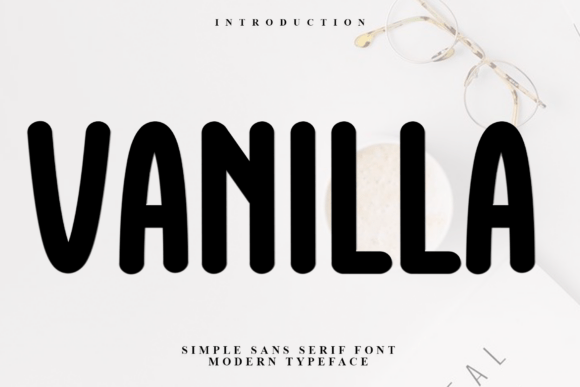
Vanilla: A Typeface That Captures Festive Joy
When you're working on a project that needs to feel warm, nostalgic, and unmistakably cheerful, the right typeface does more than just display words—it sets the entire mood. Vanilla is a premium font designed to do exactly that. It’s a decorative display font that embodies the spirit of celebration, making it a go-to asset for designers and creators who want to inject a sense of enchantment into their work.
More Than Just Holiday Cheer
At first glance, Vanilla reads as a festive typeface, perfect for the holiday season. Its letterforms are crafted with whimsical flair, featuring gentle curves and decorative elements that feel hand-drawn and personal. But its appeal extends beyond December. Think of any project that requires a touch of warmth and personality: a boutique bakery's logo, a wedding invitation, or the branding for a cozy café. Vanilla's charm lies in its ability to evoke a feeling of joy and nostalgia, making it a versatile tool for a range of creative endeavors.
Visually, it operates in that sweet spot between a script font and a handwritten font. It has the fluidity and character of hand-lettering but with enough structure to remain legible at various sizes. This makes it an excellent choice for headlines, logos, and short bursts of text where you want maximum impact. Unlike a traditional serif font or a clean sans serif font, Vanilla isn't trying to be neutral. It has a strong personality, and using it effectively means leaning into that character.
Where Vanilla Truly Shines
Understanding a font's strengths is key to using it well. Vanilla excels in applications where you want to create an emotional connection and a memorable visual identity. Here are some practical areas where it can elevate your projects:
- Branding & Logo Design: For businesses in the food, craft, gift, or event industries, Vanilla can form the core of a brand identity that feels approachable and heartfelt. Imagine it on a logo for a handmade soap company or a local florist.
- Print & Packaging: This is where the font's tactile quality comes alive. Use it for greeting cards, gift tags, product labels, and packaging design. Its decorative nature adds perceived value and a handcrafted touch that stands out on a shelf.
- Digital Presence: In the digital realm, Vanilla is powerful for hero sections, social media graphics, and email headers. It instantly grabs attention and conveys a specific tone. For a blog focused on DIY or holiday crafts, using Vanilla for titles can significantly boost engagement.
- Editorial & Publishing: Editorial design for magazines, books, or planners—especially those targeting lifestyle or seasonal themes—can benefit from Vanilla's character. It works beautifully for chapter titles, pull quotes, or cover text in projects that prioritize style and mood over pure information density.
Practical Guidance for Designers and Creators
Choosing a creative font like Vanilla is just the first step. Using it effectively requires a bit of strategy. As someone who has integrated countless design assets into professional projects, here’s my practical advice for getting the most out of this typeface.
Evaluating Project Fit
Ask yourself: does the project's tone align with the font's personality? Vanilla is joyful, whimsical, and nostalgic. It's not the right fit for a corporate law firm's annual report or a tech startup's minimalist app interface. However, it's perfect for a children's book cover, a wedding stationery suite, or a holiday sale banner. Always let the project's core message guide your typographic choices.
Mastering Font Pairing
Because Vanilla is a strong display font, pairing it correctly is crucial for creating a balanced and professional layout. The goal is to let it be the star while supporting it with a more neutral companion.
- Pair with a Simple Sans Serif: A clean, geometric sans serif font like Montserrat, Lato, or Open Sans provides excellent contrast. Use Vanilla for headlines and the sans serif for body text. This ensures readability while maintaining visual interest.
- Combine with a Classic Serif: For a more elegant or vintage feel, pair it with a timeless serif font like Garamond or Georgia. This combination works well for upscale invitations or boutique branding.
- Use Sparingly: Avoid pairing it with another highly decorative or handwritten font. Too many competing styles create visual chaos. Let Vanilla command the spotlight in key areas.
Leveraging Its Features
One of the most significant advantages of this commercial font is that it is PUA encoded. This is a technical detail with massive practical benefits. It means every glyph, swash, and ligature is fully accessible through standard software like Adobe Illustrator, Photoshop, or even Canva. You don't need special software to unlock its full potential. This allows for quick customization—adding a flourish to a capital letter or connecting letters with a unique ligature—to make your typography truly one-of-a-kind.
Considering Readability and Licensing
While Vanilla is crafted for legibility within its decorative style, always test it at the size and in the context it will be used. It's not designed for long paragraphs of body copy. Use it for impactful, short-form text. Finally, ensure you have the correct license for your project. Since it's a premium font, review the terms for commercial use if you're designing for a client or selling products that feature the font. This professional step protects you and respects the work of the type designer.
In the landscape of modern typography, finding a font with genuine character that also offers practical utility is a win. Vanilla provides that rare combination: a distinctive visual voice backed by the technical features needed for seamless integration into real-world design workflows. It’s an asset that doesn’t just look good—it helps tell a better, more engaging story.