Softglam: The Serif Font for Modern Luxury Brands
In the world of branding, your typeface is often the first handshake. It sets the tone before a single word is read. If your project aims for an audience that appreciates quality, elegance, and a contemporary edge, the choice of font is critical. This is where a typeface like Softglam enters the conversation. It’s not just another serif font; it’s a design tool crafted for projects where sophistication and a modern sensibility must coexist. This article explores the practical applications of Softglam, helping you understand its strengths and how to leverage its character for your next creative endeavor.
The Anatomy of Elegance: Understanding Softglam's Design
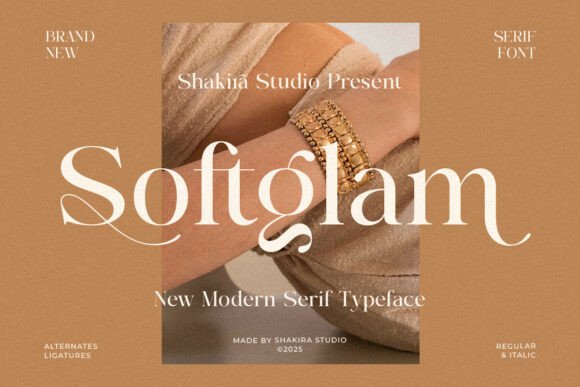
At its core, Softglam is a modern serif typeface. This means it carries the traditional, sturdy structure of serifs—the small strokes at the ends of letterforms—but interprets them through a contemporary lens. The serifs are refined, not heavy, lending a crispness to the text. What truly defines its personality are the beautiful ligatures and unique letter combinations. When certain letters are typed together, they flow into custom, elegant connections, adding an organic, handcrafted feel to the otherwise precise geometry.
This blend creates a visual personality that is both authoritative and approachable. It doesn’t have the stark coldness of a purely geometric sans serif font, nor the historical weight of a classic like Times New Roman. Instead, Softglam occupies a unique space: it feels luxurious, yet fresh. The letterforms are carefully balanced with high contrast between thick and thin strokes, which is a hallmark of sophisticated typography. This contrast enhances visual interest and helps guide the reader's eye smoothly across a line of text, whether in a headline or a short paragraph.
Where Softglam Truly Shines: Practical Applications
Understanding a font's ideal context is key to using it effectively. Softglam excels in environments where brand perception is paramount. For logo design, it provides an immediate foundation of class and intention. A boutique hotel, a high-end skincare line, or a bespoke jewelry brand can use Softglam in their logotype to communicate value instantly. Its refined letterforms ensure the logo is memorable and versatile, looking just as stunning etched on a product as it does on a website header.
Beyond logos, its application in packaging design is particularly powerful. Imagine Softglam on the box of a premium candle, the label of a craft perfume, or the branding on a gourmet food product. The font’s elegance elevates the perceived value of the item inside, making it feel like a special find. In editorial design, such as magazine titles, chapter headings in a coffee-table book, or pull quotes in a layout, Softglam commands attention without overwhelming the content. It sets a glamorous tone for fashion spreads, beauty features, or lifestyle articles.
For digital creators, this creative font adapts beautifully. It can transform a standard blog into a visually polished publication, especially for niches like travel, design, or personal style. Used in social media graphics, it can make Instagram posts and Pinterest pins stand out with a professional, curated aesthetic. For wedding invitations, event programs, or upscale restaurant menus, Softglam delivers a soft, glamorous feel that matches the occasion's significance.
Making Smart Design Choices with a Premium Font
Choosing a premium font like Softglam is an investment in your project's visual identity. To ensure it’s the right fit, start by evaluating its personality against your brand's voice. Is your brand modern, luxurious, and detail-oriented? If yes, this typeface is likely a strong candidate. Always test it with your own content—your brand name, a sample headline, and a short body of text. This reveals how the ligatures interact with your specific words and checks the readability at the sizes you’ll use most.
A critical step in any design project is font pairing. Softglam, as a display serif, works beautifully with clean, simple sans serif fonts for body text. Think of pairing it with a neutral sans serif like Montserrat or Lato for website copy or brochure paragraphs. This creates a clear visual hierarchy: Softglam captures attention in headings, while the paired font ensures comfortable reading for longer passages. Avoid pairing it with another highly decorative script font or handwritten font, as this can create visual competition and reduce clarity.
Before finalizing your choice, review the full character set and styles included. Check for essential glyphs you might need, such as alternate characters, numerals, and punctuation. Also, confirm the licensing terms align with your intended use—whether for a single client project, a product for sale, or a wide-reaching brand identity system. Proper licensing is a non-negotiable part of professional practice.
Ultimately, incorporating a font like Softglam into your toolkit is about adding a specific voice to your design vocabulary. It’s a commercial font built for real-world applications where making a refined impression is the goal. By understanding its character, testing it rigorously, and pairing it thoughtfully, you can use it to build stronger, more engaging visual communications that resonate with an audience that values quality and style.