Bersa Serif: The Serif Font with a Sharp, Modern Edge
You know that feeling when you’re scrolling through a brand’s Instagram feed or flipping through a beautifully designed lookbook, and a particular headline just stops you in your tracks? It’s not shouting, but it has this undeniable presence—sharp, elegant, and a little bit mysterious. That’s often the power of a carefully chosen display font, and it’s exactly the kind of energy you get from Bersa Serif.
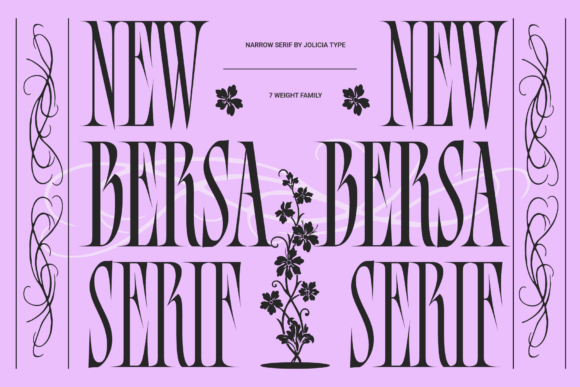
At first glance, Bersa Serif feels familiar yet fresh. It’s a narrow serif typeface, which means it has those classic, sturdy letterforms we associate with tradition and readability, but its proportions are condensed and slim. This gives it a modern, space-efficient quality that’s perfect for today’s layouts where every pixel or inch of print real estate counts. But look closer, and you’ll notice its real character. The terminals—the ends of the strokes—are sharp and pointed, almost like a well-honed nib pen. There’s a subtle whisper of blackletter pen strokes woven into its DNA, adding a layer of historical depth and personality without ever feeling archaic or stuffy.
A Typeface That Balances Strength and Delicacy
What makes this premium font so compelling is its duality. It carries a bold, elegant, and distinctive character that commands attention in a headline, yet its underlying structure is refined and sophisticated. Think of it as a tailored suit with an unexpected, artistic detail. This blend of classic structure and modern expression is what makes it incredibly versatile for a range of projects.
For anyone working on brand identity, choosing a typeface is about finding a voice. Bersa Serif speaks with confidence and a touch of artistic flair. It’s ideal for:
- Branding & Logo Design: It lends an air of premium craftsmanship and distinctiveness. A boutique winery, a high-end skincare line, or a contemporary art gallery could build an entire visual identity around its unique character.
- Editorial & Publishing: Imagine it setting the title on the cover of a design magazine or a literary journal. Its strong visual impact draws the reader in, while its elegance maintains a professional tone.
- Packaging Design: This is where its personality truly shines. On a botanical illustration for a tea collection, a fragrance branding project, or a boutique wine label, it communicates a sense of delicate power—luxurious, thoughtful, and artisanal.
Practical Power: The 7-Weight Advantage
One of the most practical features of the Bersa Serif family is its range of 7 weights, from Thin to Bold. This isn’t just about having options; it’s about building a complete visual hierarchy within a single typographic system. You can use the heavier weights for impactful, attention-grabbing headlines and subheadings, then pair them with the lighter weights for pull quotes or introductory text. This creates a dynamic, cohesive flow that guides the reader’s eye naturally.
This range makes it an incredibly flexible design asset. For a complex editorial design spread, you could use Bold for the main headline, Medium for the byline, and Thin for the section breaks. In web design, the bolder weights ensure headlines pop on screen, while the lighter weights can be used sparingly for elegant accents in navigation or footers. The key is to experiment. Pair the heavier weights with the hairline versions to create that striking, “vogue” inspired aesthetic—a look that feels both authoritative and effortlessly chic.
Making It Work in Your Projects
So, how do you decide if Bersa Serif is the right creative font for your next project? Start by considering the mood you want to evoke. If you’re aiming for something purely corporate and neutral, this might not be the fit. But if your project calls for personality, a touch of historical reference, and a refined, and premium appearance, it’s worth a serious look.
Here’s a practical approach:
- Evaluate the Fit: Look at your project’s core values. Does it align with words like artisanal, elegant, bold, or distinctive? Bersa Serif excels where a sense of delicate power is required.
- Test Readability: While it’s a fantastic display font, its condensed form means you should test it carefully for longer blocks of body text. For most projects, it’s best used for headlines, subheads, logos, and short statements. Use a clean, complementary sans serif font or a simple serif font for the main body copy to ensure maximum readability.
- Explore Font Pairings: Its unique character can be grounded by a simple, geometric sans serif for a modern look, or paired with a flowing script font for an ultra-luxe, artistic feel. The goal is to let Bersa Serif be the star while the supporting cast keeps the layout balanced.
- Review the Styles: Don’t just look at the Bold. Download the family and experiment with the Thin, Light, and Regular weights. You might find the subtle elegance of a lighter weight is perfect for your social media graphics or business card.
- Check the License: Always ensure you have the correct commercial font license for your intended use, whether it’s for a client’s logo design, a product line, or a digital publication.
In the end, choosing a typeface like Bersa Serif is about more than just picking letters. It’s about selecting a voice that can tell your brand’s story, set a mood, and create a lasting impression. Its blend of sharp, pointed terminals and subtle blackletter influence offers a unique tool for designers and creators who want their work to stand out with quiet confidence and undeniable style.