Trump Planner: A Whimsical Font for Creative Projects
More Than Just a Handwritten Typeface
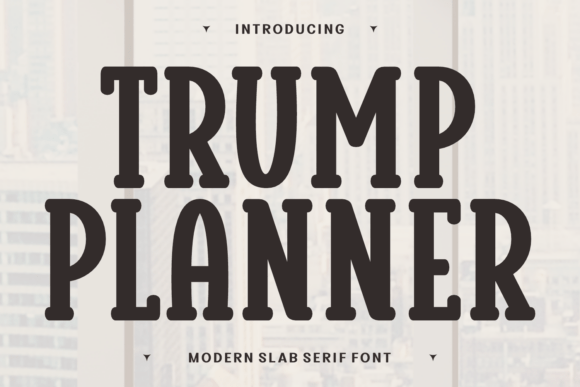
When you first encounter the Trump Planner font, you're met with an immediate sense of playful energy. This isn't a stiff, corporate typeface or an elegant script font. Instead, it's a chunky, bubble-style handwritten font that feels like it was doodled in the margin of a notebook, full of life and vintage charm. Its fat lettering and rounded forms borrow from the visual language of comic books and retro signage, making it a standout choice for projects that need a dose of fun and approachability. As a premium font, it’s designed to be a versatile design asset, offering more than just letters—it provides a distinct personality.
The visual character of this display font is defined by its inconsistency, which is actually its strength. The slightly uneven baselines and varying stroke widths give it an authentic, handmade quality. This prevents it from looking sterile or overly digital. It’s the kind of creative font that can make a logo design feel instantly friendly or turn a simple quote into an engaging piece of social media graphics. Its personality is optimistic, nostalgic, and unapologetically bold, making it perfect for grabbing attention without feeling aggressive.
Where This Creative Font Truly Shines
Understanding a font's ideal environment is key to using it effectively. The Trump Planner typeface excels in contexts where readability at a distance or immediate emotional impact is more critical than long-form text comprehension. Think of it as the headline act, not the supporting player. For brand identity work targeting a younger, creative demographic—such as a boutique bakery, a children's clothing line, or a craft workshop—this font can form the core of a memorable visual system. It translates exceptionally well to physical products: imagine it on a trendy T-shirt, a bold greeting card, or the cover of a scrapbook.
In editorial design, use it sparingly but strategically. A chapter title in a lifestyle magazine or a pull quote in a blog post can benefit from its energy. For packaging design, particularly for snacks, toys, or artisanal goods with a playful vibe, it can make a product pop on a shelf. Digital applications are equally strong. It’s a fantastic choice for a website's main banner text, a podcast cover art title, or the call-to-action button on a landing page where you want to encourage clicks with a friendly nudge. The key is to leverage its strengths in short, high-impact bursts.
Practical Guidance for Designers and Creators
Choosing a font like Trump Planner is a decision that influences your entire project's feel. First, evaluate the project fit. Is your goal to convey whimsy, nostalgia, or approachable fun? If you're designing for a legal firm or a medical practice, this is likely the wrong tool. But for a indie game studio, a parenting blog, or a festival poster, it’s often perfect. Always test it in context. Mock up your design with the actual text you plan to use. Does the font maintain clarity at the size you need? Its chunky nature helps, but always check.
Next, consider font pairing. A font with this much personality needs a calm partner to create balance and ensure readability for body text. Pair it with a clean, simple sans serif font for descriptions or a classic, understated serif font for a more sophisticated contrast. Avoid pairing it with another highly decorative or handwritten font, as this will create visual chaos. Review the font package for included styles—does it offer multiple weights or alternate characters? These extras can add valuable versatility to your typography toolkit.
Finally, address the practicalities. Verify that the license covers your intended use, especially for commercial font applications like merchandise or client work. Proper licensing is a non-negotiable part of professional design assets. By thoughtfully integrating a font like Trump Planner, you're not just selecting letters; you're injecting a specific mood and energy into your work. It’s a powerful tool for modern typography that, when used with intention, can significantly enhance visual hierarchy, brand recognition, and audience engagement, making your designs feel more human and relatable.