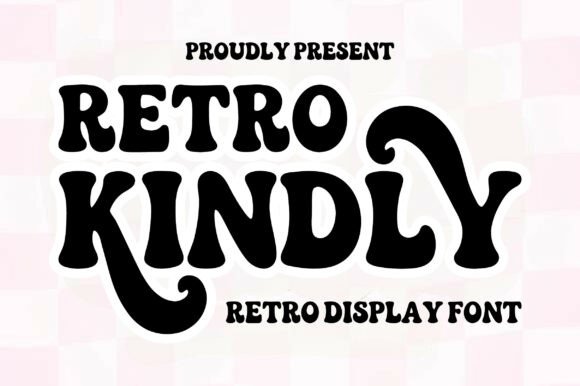
Retro Kindly: A Bold Display Font for Vintage Branding
The Warmth and Character of a True Vintage Typeface
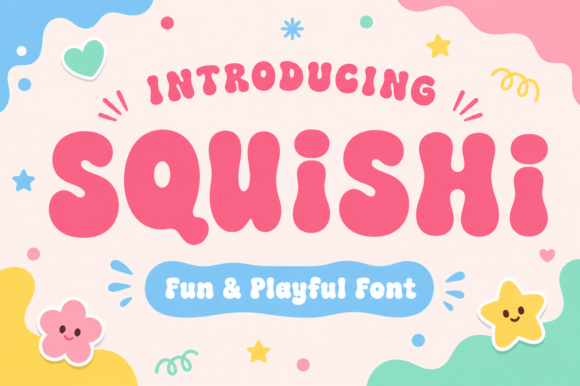
There’s a certain magic to design elements from the past that modern styles often struggle to replicate. It’s a feeling, a warmth, an unapologetic boldness. This is the exact territory where Retro Kindly thrives. As a display font, it doesn’t whisper; it speaks with a confident, groovy voice that immediately transports your audience to the vibrant era of the 1970s. Its chunky letterforms and playful, rounded curves are meticulously crafted to evoke nostalgia while feeling fresh and relevant for today’s creative projects.
Unlike a delicate serif font or a clean sans serif font, Retro Kindly is designed for impact. It’s a premium font that prioritizes personality and visual weight. The thick strokes and subtle imperfections give it a handcrafted, organic feel, distinguishing it from sterile, geometric typefaces. This isn’t just a set of letters; it’s a design asset with a distinct character. Its style walks the line between retro charm and contemporary legibility, making it a versatile tool for designers who want to inject energy and authenticity into their work without sacrificing clarity.
Where This Groovy Font Truly Shines
Understanding where a creative font like Retro Kindly excels is key to using it effectively. Its primary strength lies in any context where you need to grab attention and establish a strong mood instantly. Think of the title on a movie poster, the headline of a magazine spread, or the logo for a craft brewery. In these applications, the font’s bold nature becomes a central part of the visual hierarchy, guiding the viewer’s eye and setting the tone for the entire design.
For brand identity, Retro Kindly can be a game-changer. It’s perfect for brands that want to convey a sense of fun, authenticity, and approachability. Imagine it on the packaging for an artisanal soda, a vinyl record sleeve, or the branding for a retro-themed café. The font adds an instant layer of personality that helps a business stand out in a crowded market. It tells a story before a single word of copy is read, making it invaluable for logo design and visual branding systems.
Beyond branding, its applications are vast:
- Editorial Design: Use it for chapter titles, pull quotes, or feature headlines in magazines and blogs to create dynamic spreads.
- Packaging Design: It commands shelf presence for food products, cosmetics, or any item where a vintage aesthetic is a selling point.
- Web Design & Digital: As a headline font on a website, it can create a memorable first impression. It’s also fantastic for social media graphics, event posters, and YouTube thumbnails where stopping the scroll is essential.
- Print & Merchandise: From t-shirt graphics and tote bags to wedding invitations and event signage, it brings a cohesive, retro vibe to any physical item.
Practical Guidance for Using Retro Kindly
Choosing the right typeface involves more than just liking its style. It’s about evaluating fit, testing functionality, and understanding its technical aspects. Before committing to Retro Kindly for a project, consider a few practical steps. First, test it with your actual content. Does it maintain readability at the sizes you’ll use? A font that looks stunning in a 72-point headline might lose its charm at 14 points for body text. For Retro Kindly, its role is almost always as a headline or accent font, not for long paragraphs.
Next, explore font pairing. A bold display font like this often benefits from a more neutral companion. Try pairing it with a simple, clean sans serif font for body copy or a subtle script font for additional flair. The contrast allows Retro Kindly to be the star of the show without overwhelming the design. Check the font package for included styles—does it come with alternates, ligatures, or multiple weights? These extras can significantly expand your creative options and help you tailor the typeface to specific needs.
Finally, always review the licensing. As a commercial font, Retro Kindly will come with specific terms that dictate how it can be used—whether for personal projects, client work, or embedded in digital products. Ensuring you have the correct license for your project, especially for logo design or merchandise, is a professional necessity that protects both you and your client. When used thoughtfully, this vintage font